
3D animation for real estate sales: four objectives, from launch to last units
Launch the scheme, explain the location, support the appointment, relaunch the last units: four objectives for 3D animation in real estate sales.
By David Dana
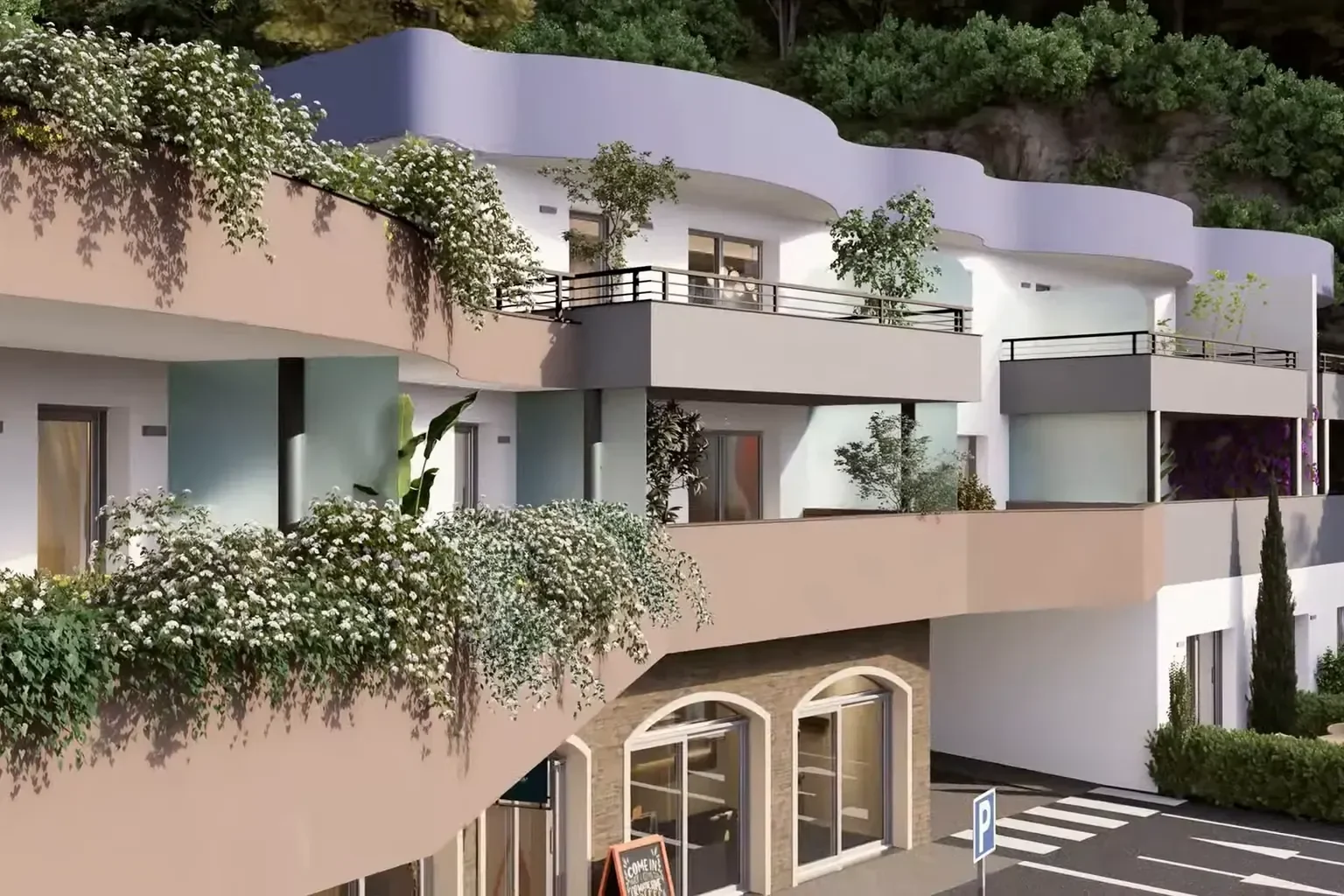
In short: in 3D animation for real estate sales, the objectives of a film fit into four verbs: launch the scheme and bring in enquiries, explain the location, support the sales appointment, and relaunch the last units. Each objective calls for its own version of the film, its own length and its own channel. The film is then judged on what it triggered, by tracking where enquiries come from and what buyers ask in appointments, rather than on its view count.
A 3D animation film calls for preparation and approval work from the developer's team. Ordering one "to have a film" often leads to a polished video that is barely used, looping on a screen without anyone being able to say what it achieved. A film designed for a precise sales objective, on the other hand, finds its natural place in the marketing plan.
This guide looks only at the role of 3D animation for real estate sales. How a film is cut into scenes is covered in our guide to storyboarding a real estate 3D animation film, and its uses before sales in our article on architectural animation uses.
What a 3D animation should do for sales
A 3D animation film is a video produced from the scheme's digital model: every frame is computed, and the camera follows a path fixed in advance. For sales, its role is simple: move a buyer one step forward, from discovering the scheme to booking an appointment, and then to reserving a home. Our 3D film glossary entry gives a short definition.
Four sales objectives
Launch the scheme and generate enquiries
At launch, the film first makes the development known and makes people want to find out more. It is watched on the development website, on social media, in online campaigns or at a launch event. Its aim is not to show everything but to trigger an action: fill in the form, call, visit the sales suite. A short version, focused on the lifestyle and ending with a clear call to get in touch, fits this use better than a full tour of the scheme.
The film's place within the whole sales process is described in our guide to off-plan real estate marketing.
Explain the location and the neighbourhood
Many buyers do not know the site, or know it as it is today, without the building. The film can take them there: from the main road, the arrival at the residence, its relationship to green spaces, the sea or shops when they really are nearby. This objective is about explanation as much as appeal, answering "where is it, and what is life like there?" before any specific home is discussed.

Support the sales appointment
In the sales suite or in a remote appointment, the film becomes a conversation tool. Played at the start of the meeting, it sets the scene; shorter sequences can then illustrate a specific point, such as the lobby, a terrace or the interior of a typical home. The aim is to save the sales team time: less explaining on plans, more room to talk about the home the buyer is interested in.

Relaunch the last units
Towards the end of sales, the remaining units often have something in common: a type, a floor or an orientation that needs explaining. An extract of the film, focused on that kind of home or on a shared space that was less highlighted at launch, gives a fresh reason to get back to contacts who had not followed up. It is not a new film: it is a new edit, drawn from sequences already produced, with a tailored message.
One objective, one format
Length, framing and version follow directly from the objective. A launch film for social media is short, often watched without sound and sometimes in vertical format. An appointment film can be longer and calmer, since it is watched alongside a salesperson. A relaunch extract focuses on a single message. Our 3D animation page presents the different types of film, and our article on real estate 3D video formats covers formats and distribution.
The most economical approach is to plan these versions at storyboard stage: produce one set of sequences, then edit several films from the same material, instead of ordering one video per use.

Where the film fits in the marketing plan
A real estate 3D video earns its place when it is tied to the sales calendar, not when it is shown everywhere at once. The marketing plan sets the main phases; the film fits into each one with a different version:
- Before opening, during pre-sales: a teaser for the first contacts, which creates interest without revealing everything.
- At opening, on the development website, social media and at the launch event: the launch version, with a clear call to book an appointment.
- During sales, in the sales suite and in remote appointments: the full version and the short sequences that illustrate a specific point.
- Towards the end of sales: targeted extracts on the remaining units, sent to contacts who had not followed up.
The film is not planned on its own: brochure renderings, site hoardings and the orbital model show the same project at the same time. Planning this calendar at storyboard stage means the sequences for every version are produced in one go.
How to tell whether the film did its job
A view count shows that a film was played, not that it was useful. To judge a film against its sales objective, look at what it triggered, using simple and mainly qualitative indicators:
- Where enquiries come from. Links tagged with UTM parameters, as described in Google Analytics help, identify enquiries arriving from a campaign in which the film is shown (Google Analytics help on UTM parameters, consulted 13 November 2026).
- The questions asked in appointments. If buyers arrive already knowing the location and layout of the residence, the film has done its explaining.
- Feedback from the sales team. Salespeople know which passages they show, which they skip, and at what point in the meeting the film helps them.
- CRM tracking. Noting in the contact record that the person has seen the film, and at which stage, lets you relate the film to appointments and reservations, without crediting the film alone with what the whole sales set-up achieved.
The key is to set these markers before release: you only measure well what you decided to observe.
Mistakes to avoid
Promising what the scheme will not deliver
A sales film creates desire, but it must not show a view that will not exist, planting at maturity presented as delivered, or facilities that are not planned. In France, ANIL points out that advertising documents have no contractual value and that buyers should refer to the description annexed to the reservation contract (ANIL, buying off-plan, in French, consulted 13 November 2026). An over-flattering film therefore mostly creates disappointment, and difficult questions at handover. Our article on the VEFA descriptive notice and 3D renderings explains how visuals and contract documents should line up.
One film for everything
The same edit, used on social media, in appointments and for relaunches, serves each of those uses poorly. A shared core of sequences and several short versions, each with its own objective, works better.
Forgetting to update
If the plans change during sales, the film must follow: a removed balcony or a modified facade left on screen weakens the whole pitch. Deciding from the outset who approves changes, and on which 3D model they are applied, avoids these gaps.
Set the objective before ordering
Before commissioning a film, three questions are enough: which sales objective should it serve, at which point in the sales process, and how will you know whether it worked? The answers determine versions, lengths and channels far more than the style of the images. Renderings, the orbital model and the virtual tour remain complementary: the film helps people discover and desire, the other media help them choose.
VIZION STUDIO creates your 3D animation films from the scheme's plans, or from your architect's 3D model if one exists, and cuts them into launch, appointment and relaunch versions that stay consistent with your renderings and orbital model. Discover our 3D animation service, then contact us with your sales objective and the stage your scheme has reached.
3D services to bring your project to life
Preparing a property launch or an architectural presentation? Explore deliverables and examples relevant to this topic.
Frequently asked questions about 3D animation for real estate sales
What objective should a real estate 3D animation have?
One precise sales objective per version: make the scheme known and generate enquiries at launch, explain the location, support the sales appointment or relaunch the last units. The objective then sets the length, framing and channel.
When should the film be released during sales?
From pre-sales to generate the first enquiries, then at launch on the development website and social media, in appointments throughout sales, and as targeted extracts to relaunch the last units. These uses are planned at storyboard stage.
Does a 3D animation replace renderings?
No. The film helps people discover the scheme and creates desire; renderings remain the reference images for the brochure, website and hoardings, and the orbital model or virtual tour help buyers choose a home. Starting from the same 3D model keeps these media consistent.
How do you measure the effect of a real estate 3D animation?
Rather than by views, judge it by what it triggered: where enquiries come from, using tagged links, the questions asked in appointments, feedback from the sales team and CRM tracking. These markers are set before release.
Does the 3D film have contractual value?
No. Like all advertising material, it has no contractual value: in France, the description annexed to the reservation contract is what binds. A notice on screen and on the hosting page states that the images are for illustration only.
Give your project the images that will sell it
Tailor-made quote, no commitment.