
Choosing a 3D visualisation agency: what property developers should look for
The criteria property developers can use to choose a 3D visualisation agency: formats, consistency, interactive tools, usage rights and quotes.
By David Dana
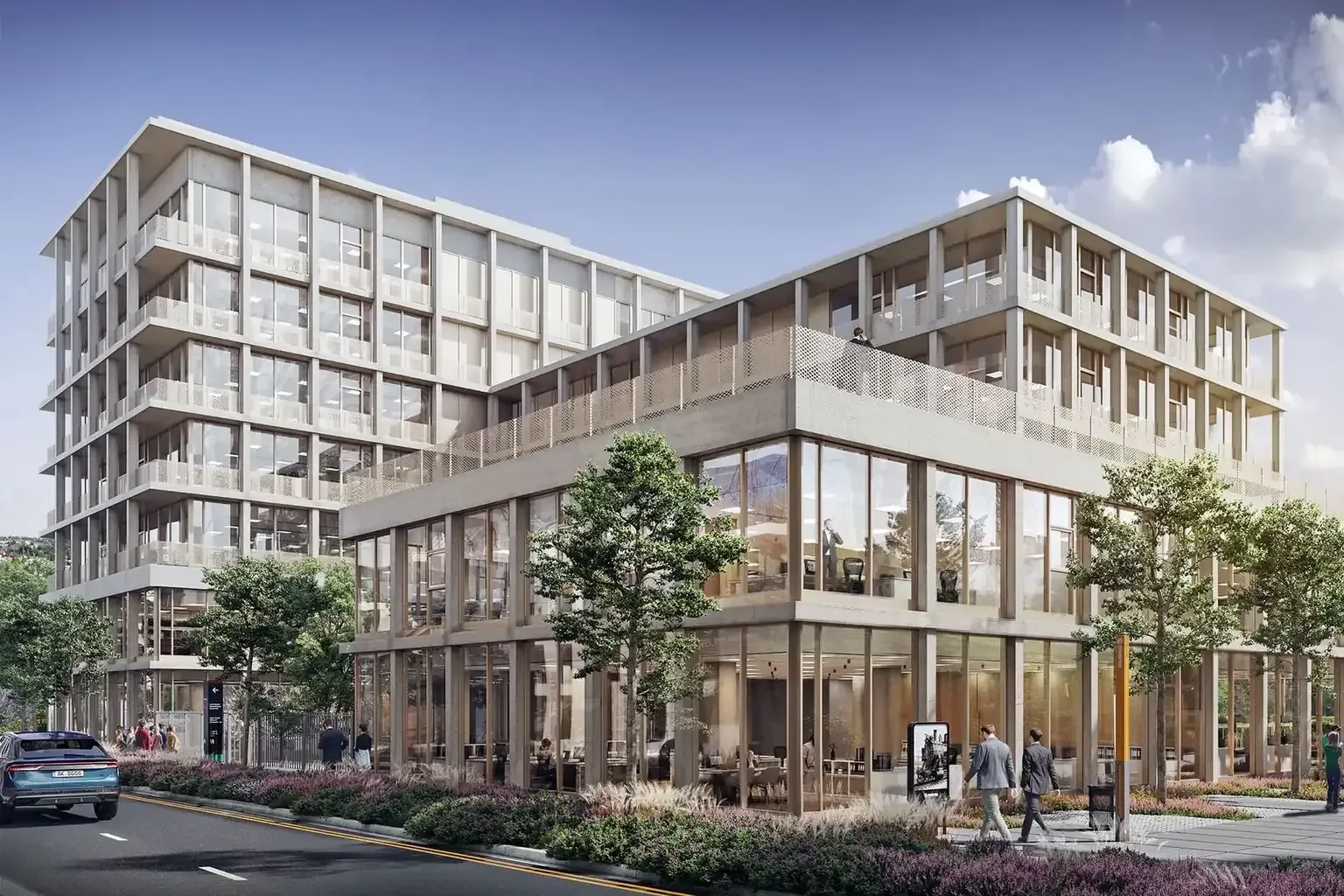
In short: a 3D visualisation agency produces, from the architect's drawings, all the visual media for a development: renderings, 3D floor plans, 3D site plan, orbital 3D model, virtual tour, 360° panorama and film. For a property developer, choosing one means first checking that it covers the formats needed at each stage, then comparing seven points: references close to your project, one 3D model for every medium, interactive tools that hold up over time, faithfulness to the sales documents, written usage rights, a readable quote and a sound grasp of off-plan sales.
For a new development, the visuals do not stop at two or three renderings. The planning application, the sales launch, the brochure, the development's website, the sales suite and then unit tracking each call for different media. Spreading them across several suppliers means multiplying 3D models, back-and-forth and the risk of one visual not matching the next.
This is where a 3D visualisation agency comes in. Our article on immersive 3D visualisation for a real estate project describes the immersive formats one by one. This one looks at the choice of partner: which criteria matter when you are looking for an agency able to produce every visual for a development, and keep them working until the last unit is sold?
What is a real estate 3D visualisation agency?
3D visualisation covers all the representations of a project produced from a digital model before it is built; our glossary entry on 3D visualisation gives a short definition. A real estate 3D visualisation agency does this for developers, architects and sales agents.
What sets it apart from a studio focused on renderings is the range of formats. From the same drawings, it produces still images, but also media that buyers handle or move through: an orbital 3D model where they pick a unit, a virtual tour where they go from room to room, a film that tells the story of the development. And if you are weighing software against a studio for a virtual tour, our article virtual tour software vs a 3D studio compares the two routes.
Which formats should the agency be able to produce for your development?
You will not need everything, nor all at once. But the agency should be able to follow you from one stage to the next:
Development stage | Question to answer | Useful formats |
|---|---|---|
Planning application, consultation | What will the building look like on its site? | Exterior renderings, 3D site plan |
Sales launch | Why this development rather than another? | Renderings, 3D film, 360° panorama |
Choosing a unit | Where is my home and how is it laid out? | Orbital 3D model, 3D floor plans |
Sales appointment | What will my interior look like? | Virtual tour, interior renderings |
Tracking sales | Which units are still available? | Orbital 3D model with unit filters and availability |
Ask to see real examples of each format you are interested in, not just renderings. Our 3D rendering, 3D floor plan, orbital 3D model, virtual tour and 3D animation pages show what each one covers.
Which criteria should you use to compare 3D visualisation agencies?
References comparable to your development
An apartment building, a development of houses, an office building or a seaside scheme do not raise the same questions. Look in the agency's projects for work close to yours in type and scale. For interactive formats, a live demo is worth more than a screenshot: open the model or the tour, use it, and look at it on a phone as well.

One 3D model for every medium
This is the main advantage of a single partner: the building is modelled once, from the drawings, then turned into renderings, 3D floor plans, an orbital model and a tour. Facades, materials and fittings stay the same from one medium to another. When the project changes, the change carries across everything instead of being redone by each supplier. Ask how the agency organises these variations and how it carries a drawing change through.
Interactive tools that hold up over time
A rendering is delivered once and for all. An orbital 3D model or a virtual tour, on the other hand, lives throughout the sales period. Before choosing, ask a few simple questions:
- Where is the tool hosted, and on what terms?
- How is unit availability updated when a unit is reserved?
- Can the tool be connected to your CRM?
- What happens to it once the development is sold?
At VIZION STUDIO, the orbital 3D model splits the building floor by floor, filters units and shows their availability, simulates sunlight and can, if you wish, be connected to your CRM. As for our other deliverables, permitted uses and any hosting arrangements are set out in the quote.
Faithfulness to the sales documents
Buyers look very closely at the visuals of a development sold off-plan. A good agency works from the approved drawings and the specification, flags any inconsistency it spots and asks you to decide rather than invent. It also knows how to separate atmosphere from commitment: our checklist for reviewing and approving 3D renderings covers the points to check.
Usage rights in writing, format by format
The visuals will be used in the brochure, on the development's website, on property portals, on social media, on the site hoarding, sometimes abroad. Under French law, the transfer of copyright must be precise: each right transferred must be "mentioned separately" in the transfer agreement (our translation), and the scope of exploitation must be defined in extent, purpose, place and duration (Article L131-3 of the French Intellectual Property Code, Légifrance, in French, accessed 24 November 2026). Check that the quote or contract lists the intended uses for each format, including for a film or model published online.

A readable quote
A quote you can compare from one agency to another lists the deliverables one by one: number and type of views, number of plans per unit type or per unit, model features, film length and formats, resolutions, number of review rounds included. The schedule is set out in the quote, stage by stage. A lump-sum quote with no detail makes comparison impossible and leaves questions for later.
A partner who knows off-plan sales
Units, unit types, brochure, sales suite, specification, reservation contract: the agency should speak the language of property sales. That is what allows it to suggest the right format at the right time, and to tell you when a medium is not needed.
What should you prepare before approaching agencies?
To get proposals you can compare, send each agency the same pack:
- the architect's drawings (site plan, floor plans, elevations, sections), latest version;
- the specification or, failing that, the known material references;
- the list of units and unit types;
- the formats you have in mind and the stages at which you will need them;
- the planned media and the uses the rights must cover;
- your sales timeline, so that the agency can propose a schedule in its quote.
Warning signs
Some answers call for one more question: no visible reference for the format you need, interactive demos that will not open, a quote with no list of deliverables, no mention of usage rights, or no review stage before delivery. None of these is a deal-breaker in itself, but each point should get a written answer before you order.
Choosing a partner for the whole sales period
Choosing a 3D visualisation agency means choosing who will give your development an image before it exists, from the planning application to the last unit sold. The right criteria have less to do with the style of one image than with the ability to produce consistent media, faithful to the drawings and useful at every stage of the sale.
At VIZION STUDIO, a 3D real estate visualization studio, our 3D artists create on computer, from your drawings, the full range of media for a development: renderings, 3D floor plans, 3D site plans, orbital 3D models, virtual tours, 360° panoramas, films and before/after visuals. Discover all our services or contact us with your development's drawings.
3D services to bring your project to life
Preparing a property launch or an architectural presentation? Explore deliverables and examples relevant to this topic.
Frequently asked questions about choosing a 3D visualisation agency
What is the difference between a 3D visualisation agency and a rendering studio?
The range of formats. From the same drawings, a 3D visualisation agency produces still images but also interactive or animated media: 3D floor plans, orbital 3D model, virtual tour, 360° panorama, film. A rendering studio focuses on still images.
Should all of a development's visuals go to the same agency?
It is not compulsory, but it is often simpler: the building is modelled once, the media stay consistent with one another, and a project change carries across everything instead of being redone by each supplier.
What should you ask about an orbital 3D model or a virtual tour?
Where it is hosted and on what terms, how unit availability is updated, whether it can be connected to your CRM, and what happens to it once the development is sold. The answers should appear in the quote.
Why should image usage rights be spelled out?
Because the visuals will be used on many media: brochure, development website, portals, social media, site hoarding. Under French law, each right transferred must be mentioned separately and its scope of exploitation defined; the quote or contract should therefore list the intended uses for each format.
What should you send an agency to get a comparable quote?
The same pack to each agency: up-to-date architect's drawings, specification, list of units and unit types, formats planned for each stage, media and uses to be covered, and your sales timeline. The schedule is then set out in the quote.
Give your project the images that will sell it
Tailor-made quote, no commitment.